



In today’s world of personalized medicine, understanding your genetic makeup isn’t just a luxury—it’s a game-changer for tackling chronic health issues at their core. At Purser Wellness, we’re passionate about empowering our patients with tools that go beyond surface-level symptoms. That’s where our DRP Genetics testing comes in. Curated by Dr. Dan Purser himself after over a year of collaboration with Max Gen Labs, this specialized genetic panel is designed to uncover the hidden genetic factors driving conditions like inflammation, fatigue, anxiety, and even fibromyalgia. But one of its most powerful applications? Getting to the root of inflammation caused by elevated homocysteine levels.
If you’ve been struggling with unexplained pain, chronic fatigue, or that nagging sense of “something’s off,” high homocysteine could be the silent culprit. Let’s dive into why DRP Genetics testing is the best investment you can make in your health, especially when it comes to addressing homocysteine-related inflammation.
What Is Homocysteine and Why Does It Matter?
Homocysteine is a naturally occurring molecule in your body, produced during the breakdown of proteins. In small amounts, it’s harmless. But when levels rise due to genetic factors, poor nutrition, or deficiencies, it becomes a major driver of inflammation and disease.
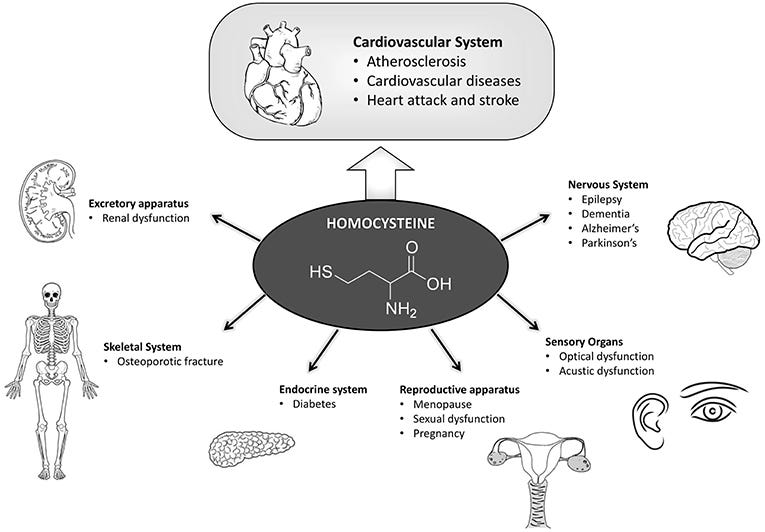
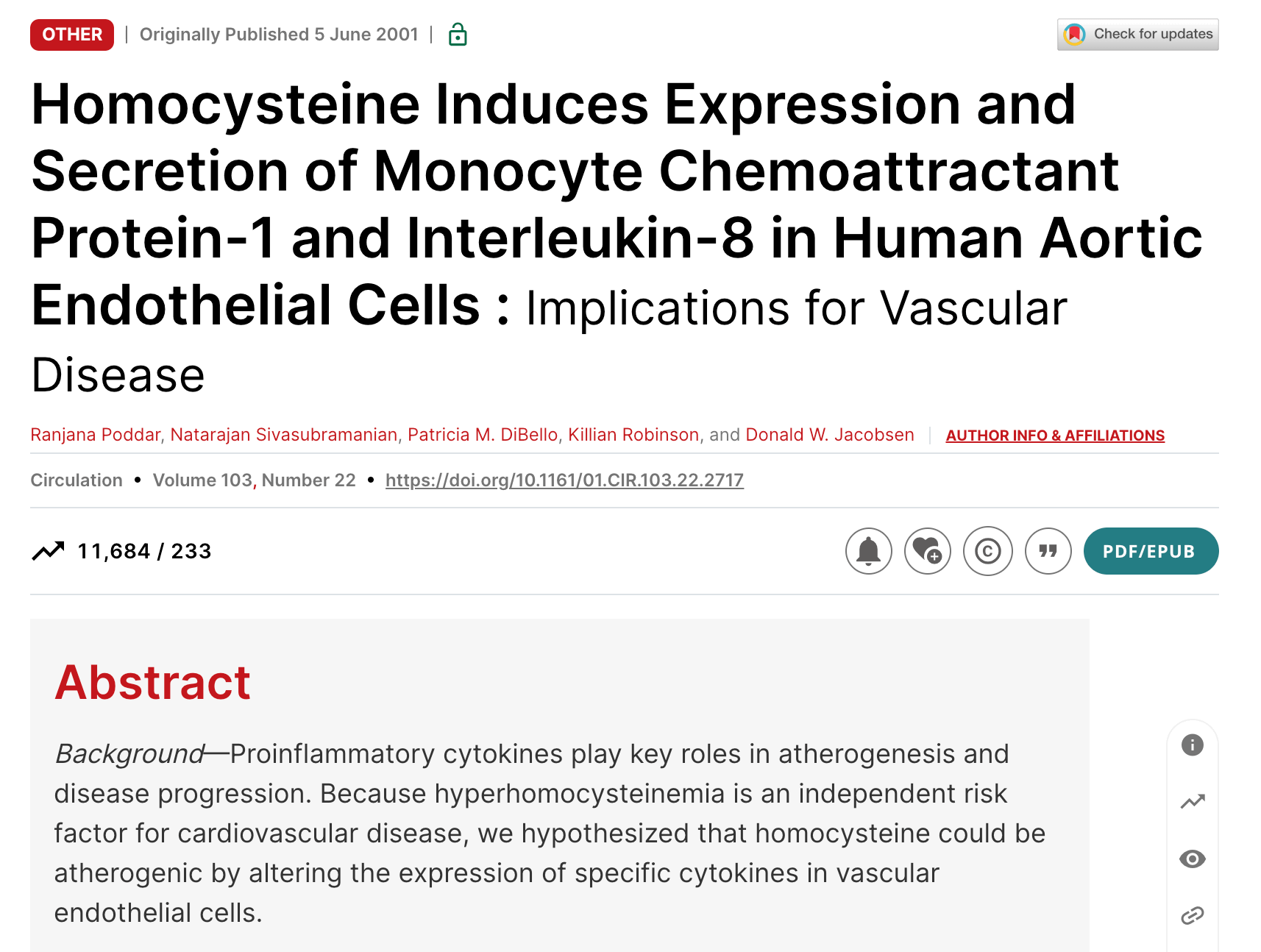
Research shows that elevated homocysteine doesn’t wreak havoc directly—it acts like a trigger, stimulating immune cells (monocytes) to release pro-inflammatory cytokines like interleukin-8 (IL-8) and monocyte chemoattractant protein-1 (MCP-1). These cytokines are the real troublemakers, fueling widespread inflammation that manifests as:
Chronic pain that feels like arthritis but isn’t.
Body-wide aches, often mistaken for fibromyalgia.
Fatigue, anxiety, or depression that hits out of the blue.
More severe risks like hypertension, heart attacks, strokes, kidney failure, and even certain cancers like melanoma or renal carcinoma.
The scary part? By your 40s or 50s, unchecked homocysteine can lead to debilitating inflammation and pain. But here’s the good news: it’s not inevitable. Genetic testing like DRP can reveal why your homocysteine is elevated and guide targeted interventions to shut down those cytokines and restore balance.
The Genetic Link: How Your DNA Drives Homocysteine and Inflammation
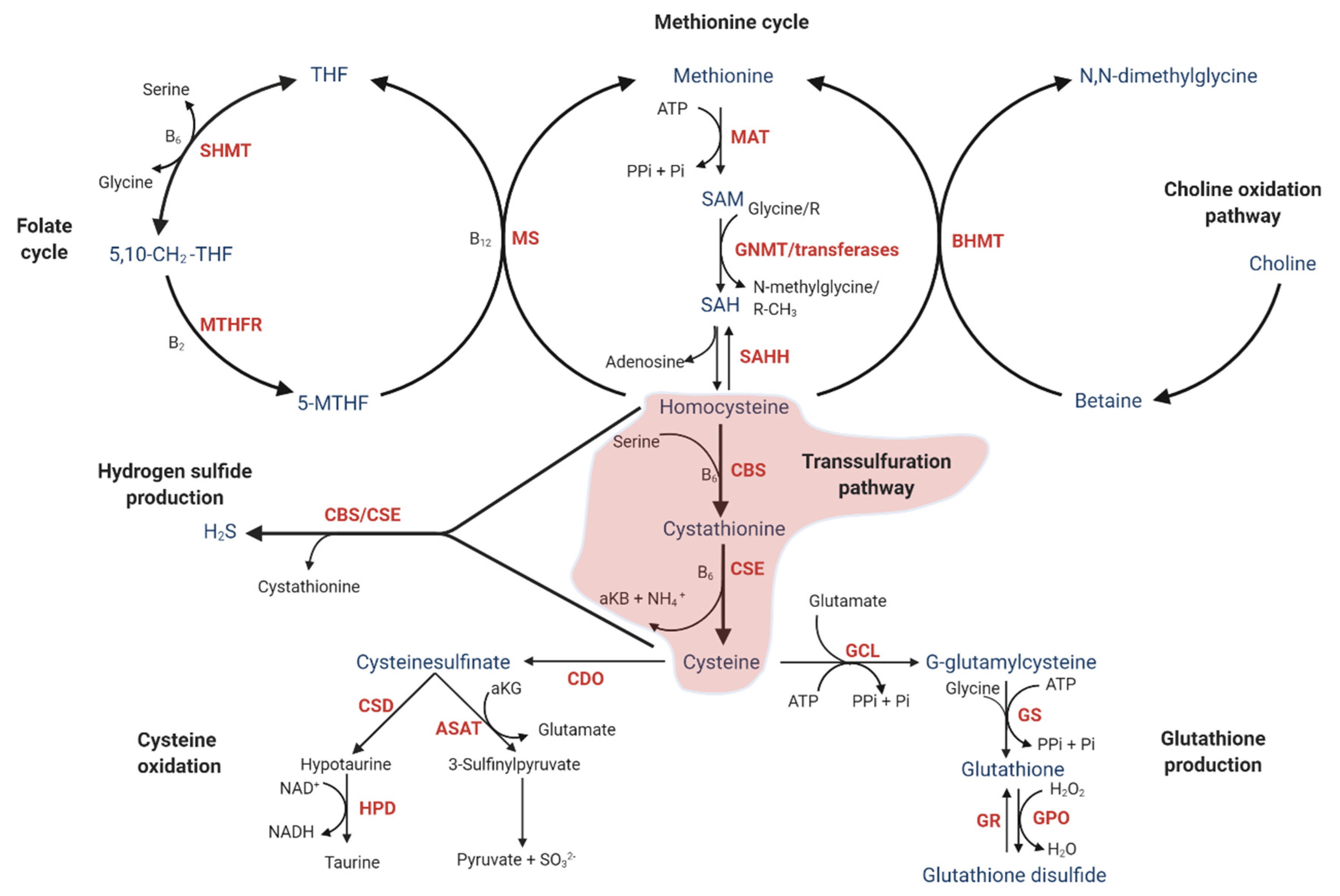
Your genes play a starring role in how your body processes homocysteine through pathways like methylation and transsulfuration. Single nucleotide polymorphisms (SNPs)—tiny variations in your DNA—can disrupt these processes, leading to buildup and inflammation.
For example:
MTHFR SNPs (like C677T or A1298C): These are among the most common we see. A heterozygous variant (one altered copy) can reduce efficiency by 35-40%, while homozygous (both copies altered) can slash it by up to 70%. This impairs folate processing, spiking homocysteine and causing B vitamin deficiencies that amplify inflammation.
Other Key SNPs: Genes like MTR, MTRR, GGH, NAT2, and CBS are critical for methylation and detoxification. Disruptions here can lead to glutathione shortages, oxidative stress, and poor heavy metal clearance (like excess copper), all of which exacerbate homocysteine issues.
SOD (Superoxide Dismutase) SNPs: These reduce your body’s frontline defense against free radicals, leading to oxidative damage and inflammation.
PEMT SNPs: Responsible for phosphatidylcholine production, a deficiency here weakens cell membranes (especially in the gut and brain), contributing to systemic inflammation.
Without testing, you’re guessing. DRP Genetics screens for these and up to 17 related SNPs, giving you a clear picture of your genetic vulnerabilities. It’s not about changing your genes (though future tech might allow that)—it’s about bridging the gaps they create with personalized nutrition and supplements.
Why DRP Genetics Testing Stands Out
Unlike generic tests like 23andMe or Ancestry (which we’ve moved away from due to privacy concerns and data sales), DRP Genetics is built with your privacy and health in mind. Partnered with MaxGen Labs, it’s a saliva-based test that’s easy to do at home—no needles, just a quick cheek swab. Here’s why it’s the gold standard:
Comprehensive Coverage for Homocysteine Pathways: Dr. Purser curated this panel to zero in on genes tied to homocysteine metabolism, methylation, and related deficiencies. It covers everything from MTHFR to SOD, PEMT, and fibromyalgia-related markers, providing a full snapshot of what might be fueling your inflammation.
Root-Cause Insights Over Symptom Management: High homocysteine isn’t just a number—it’s a signal of deeper issues like vitamin deficiencies (e.g., B6, folate, B12) or mineral imbalances (molybdenum, boron, copper). DRP reveals these SNPs, explaining why you might have low intracellular glutathione or superoxide dismutase, which directly ties into cytokine-driven inflammation.
Paired with Intracellular Testing for Maximum Impact: We often bundle DRP with our CMA (Comprehensive Micronutrient Analysis) intracellular testing—the “gold standard” for spotting deficiencies inside your cells. Genetics show what could go wrong; intracellular testing shows what’s actually happening. Together, they create a roadmap: “Your NAT2 SNP is causing glutathione issues, leading to high homocysteine and inflammation—here’s how to fix it with targeted supplements.”
Personalized Treatment Plans: Results aren’t just data; they’re actionable. Whether you’re wild type (no changes), heterozygous, or homozygous, we tailor recommendations. For homocysteine-driven inflammation, this might mean:
Methylated B vitamins to support MTHFR.
SOD boosters for SOD deficiencies.
Molybdenum or boron to regulate copper and ceruloplasmin, reducing pain in conditions like fibromyalgia.
Cytokine-modulating strategies to dial down IL-8 and MCP-1 without lowering homocysteine artificially with natural glutathione.
Patients often report vanishing symptoms—less pain, more energy, resolved anxiety—because we’re addressing the genetic root, not just masking issues with meds.
Privacy-First Approach: Your data stays yours. MaxGen Labs is dedicated to protection, unlike big-name companies where data might be sold.
Real-Life Benefits
Take fibromyalgia, a condition we see often: It’s not just “pain everywhere”—it’s often tied to homocysteine via SNPs like NAT2 and CBS, leading to low molybdenum, boron, and glutathione. This disrupts ceruloplasmin (which handles copper), causing toxicity and inflammation. DRP pinpoints these, and with supplementation (like our patented Copper Balance), symptoms fade. One patient in her 20s went from crippling pain to symptom-free after addressing her B6 deficiency linked to homocysteine.
Or consider anxiety: If it’s a new onset in adulthood, it’s likely a deficiency from genetic SNPs. DRP helps identify if it’s low lithium, glutamine imbalances, or homocysteine-fueled cytokines, leading to targeted fixes.
The bottom line? Inflammation from homocysteine isn’t random—it’s genetic. DRP Genetics empowers you to intervene early, preventing escalation to strokes, heart issues, or chronic pain.
Ready to Get to the Root?
If you’re tired of chasing symptoms and want real answers, DRP Genetics testing is your starting point. It’s available through our website as a bundle with a consult, where our team (including Dr. Purser, Justace the certified paramedic, Jackson, and our knowledgeable staff like Denise and Brandi) will walk you through your results and craft a personalized plan.
Reach out to Purser Wellness today—call our office or visit the site to order your kit. Your genes hold the key to better health; let’s unlock it together.
Exceptional breakdown of the homocysteine-cytokine cascade. The point about pairing genetic SNP screening with intracellular testing is where precision medicine actually happens. I tried generic DNA kits a few yers back but they just gave raw data with no actionable path, this bridges that gap pretty elegantly.
This really clarifies why inflammation can feel so mysterious and persistent for people who are doing all the “right” things. I appreciate how clearly you connect genetics, homocysteine, and real symptoms, rather than stopping at surface-level fixes.