

Understanding Fibromyalgia: Beyond “Widespread Pain”


Fibromyalgia has long been labeled as a syndrome of chronic, widespread pain accompanied by fatigue, sleep disturbances, and cognitive “fog.” Yet, traditional approaches often focus on symptom management—painkillers, antidepressants, physical therapy—without addressing deeper, root causes. At Purser Wellness under Dan Purser MD, we take a fundamentally different perspective: fibromyalgia is rooted in genetic variations that disrupt copper metabolism and intracellular nutrient balance. By targeting these underlying factors, we’ve developed a treatment protocol that offers not just relief, but true functional improvement.
The Genetic Foundation: Copper Processing Gone Awry
Decades of research in our clinic have revealed key gene variants—especially in CBS, MTHFR, NAT2, GAD1, and GAD2—that impair the proteins responsible for copper transport and utilization.
CBS & MTHFR SNPs reduce efficient methylation and homocysteine clearance, indirectly impacting metallothionein function.
NAT2 variants affect detoxification pathways, further burdening copper handling.
GAD1/GAD2 polymorphisms exacerbate neurotransmitter imbalances, contributing to pain sensitivity and mood symptoms commonly seen in fibromyalgia.
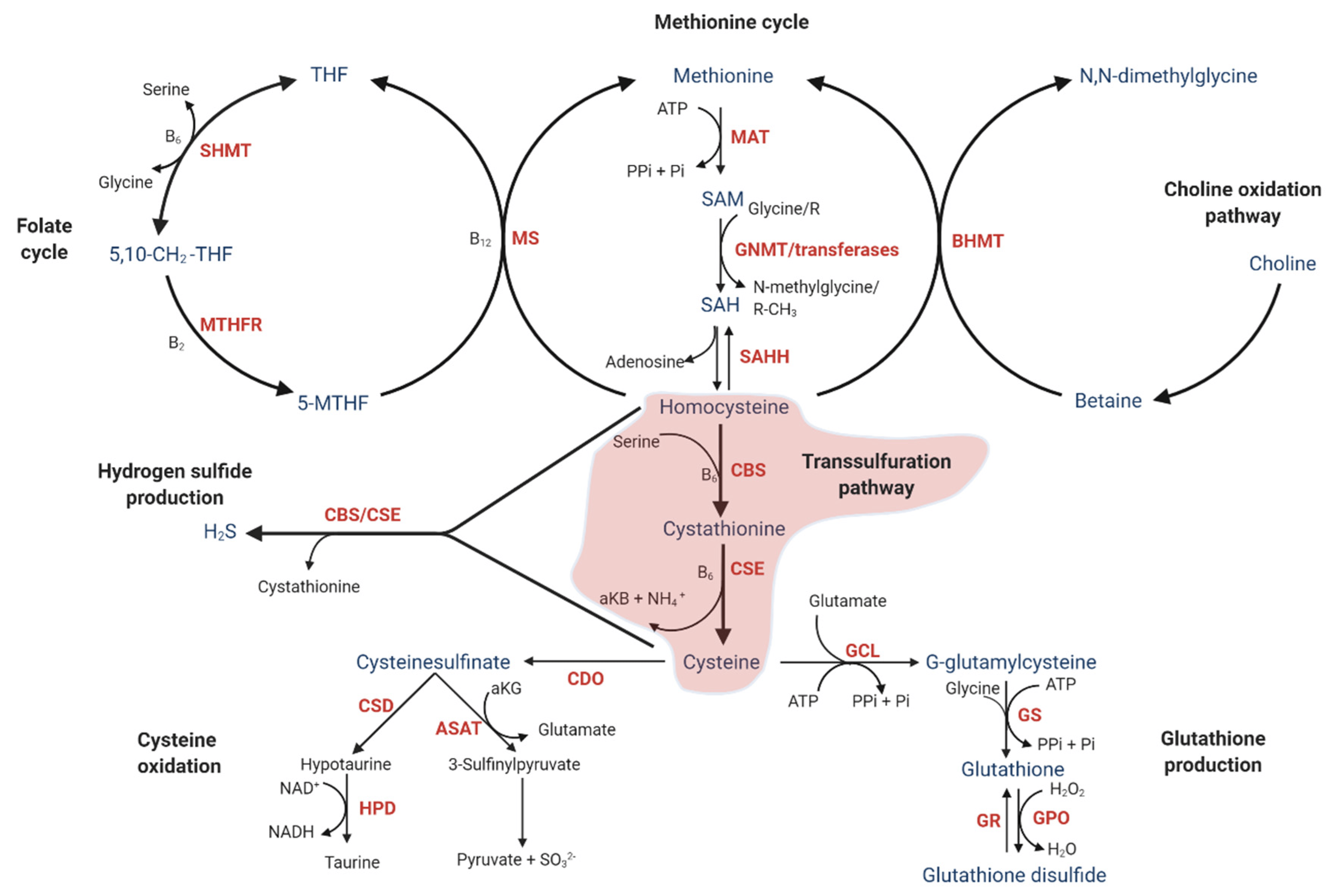
These genetic SNPs culminate in two parallel problems:
Extracellular copper overload—copper accumulates in serum and tender points, fueling inflammation and pain.
Intracellular copper deficiency—critical copper-dependent enzymes in mitochondria and connective tissues are starved, disrupting energy production and tissue repair.
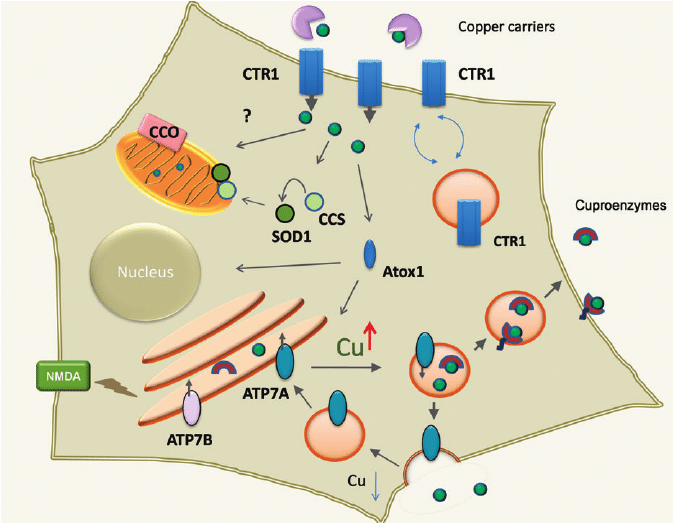
The Copper Conundrum: Why “More” Isn’t Better
Copper is essential—needed for collagen cross-linking, neurotransmitter synthesis, antioxidant enzymes, and mitochondrial function. However, when copper circulates in excess but fails to enter cells, it becomes a pro-inflammatory toxin:
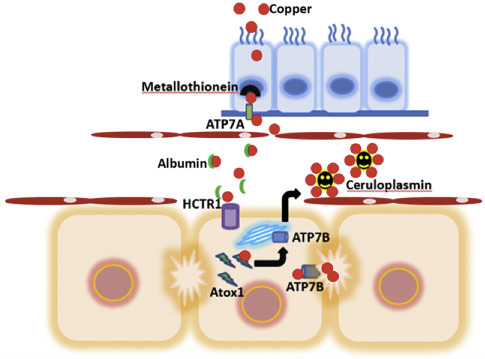
Ceruloplasmin, the primary copper carrier, requires cofactors like molybdenum and Boron to function effectively.
Metallothioneins bind excess copper for safe transport into cells; they depend on adequate levels of zinc, glutathione, and B-vitamins to operate optimally.
When these cofactors are depleted (often due to genetic variants), copper remains trapped in the bloodstream, depositing at tender points and triggering chronic pain, migraines, and muscle spasms.
Key Intracellular Nutrient Deficiencies in Fibromyalgia
Through extensive intracellular micronutrient testing, we regularly identify five core deficiencies in fibromyalgia patients:
Boron – Vital for ceruloplasmin structure and function.
Molybdenum – Acts as a cofactor for enzymes that regulate copper excretion via bile and urine.
Glutathione – Master antioxidant, essential for metallothionein recycling and heavy metal detox.
Zinc – Competes with copper at absorption sites; low zinc exacerbates copper misplacement.
Vitamin B6 – Supports methylation and numerous copper-dependent enzymatic pathways.
Addressing these intracellular deficits is foundational: without them, simply cutting dietary copper cannot fully restore cellular function.
Our Comprehensive Treatment Protocol
1. Genetic Profiling and Intracellular Testing
SNP analysis for CBS, MTHFR, NAT2, GAD1, GAD2, and related genes.
Intracellular micronutrient assay to quantify Boron, molybdenum, glutathione, zinc, B6, and copper levels.
2. Low Copper Diet
Eliminate or minimize high-copper foods: kale, avocado, nuts, seeds, mushrooms, shellfish, fortified protein shakes, and multivitamins containing copper.
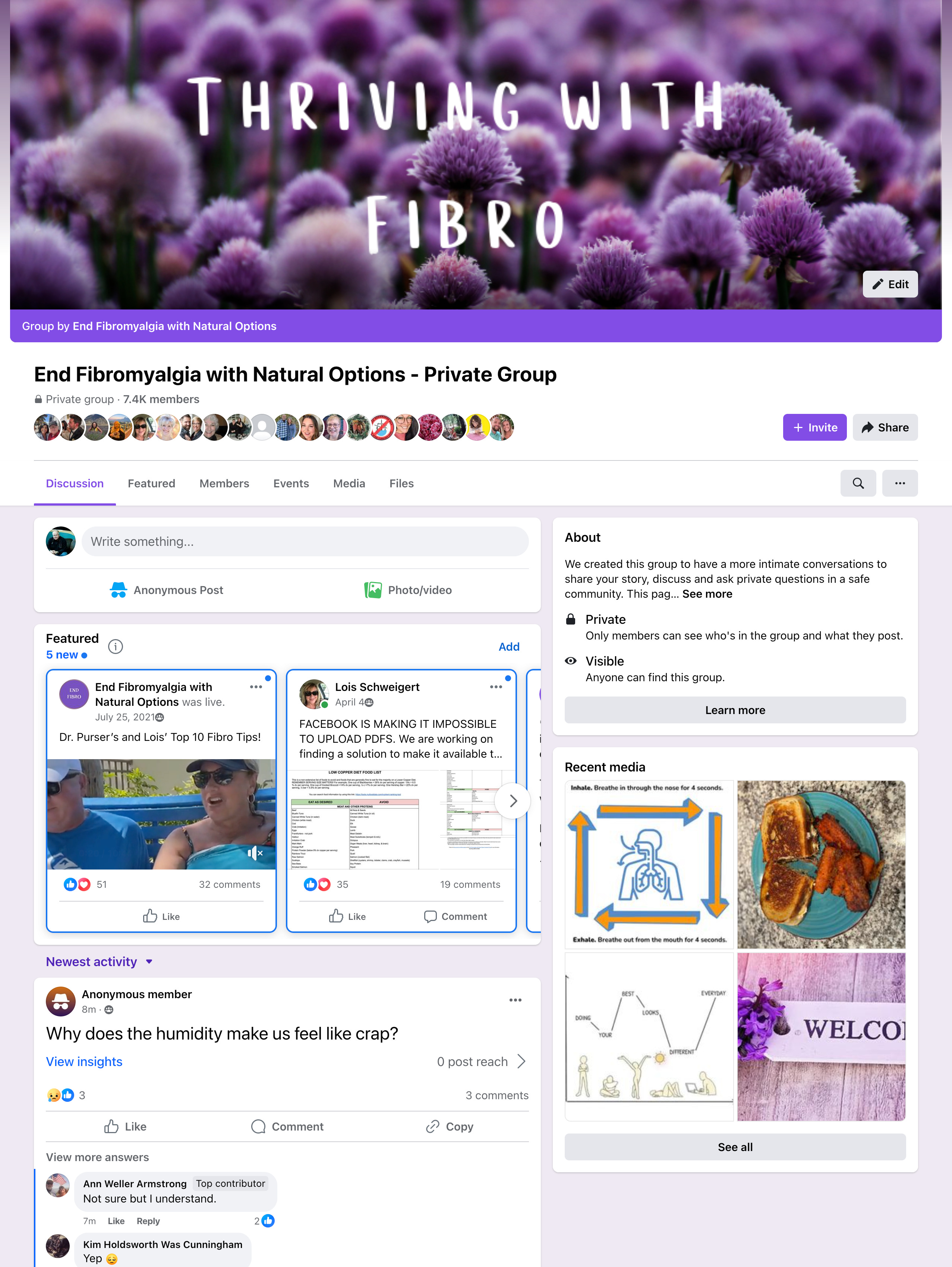
Follow the Low Copper Diet Guide from End Fibromyalgia with Natural Options (Lois Schweigert) to ensure strict avoidance while maintaining balanced nutrition low copper diet.
3. Targeted Supplementation
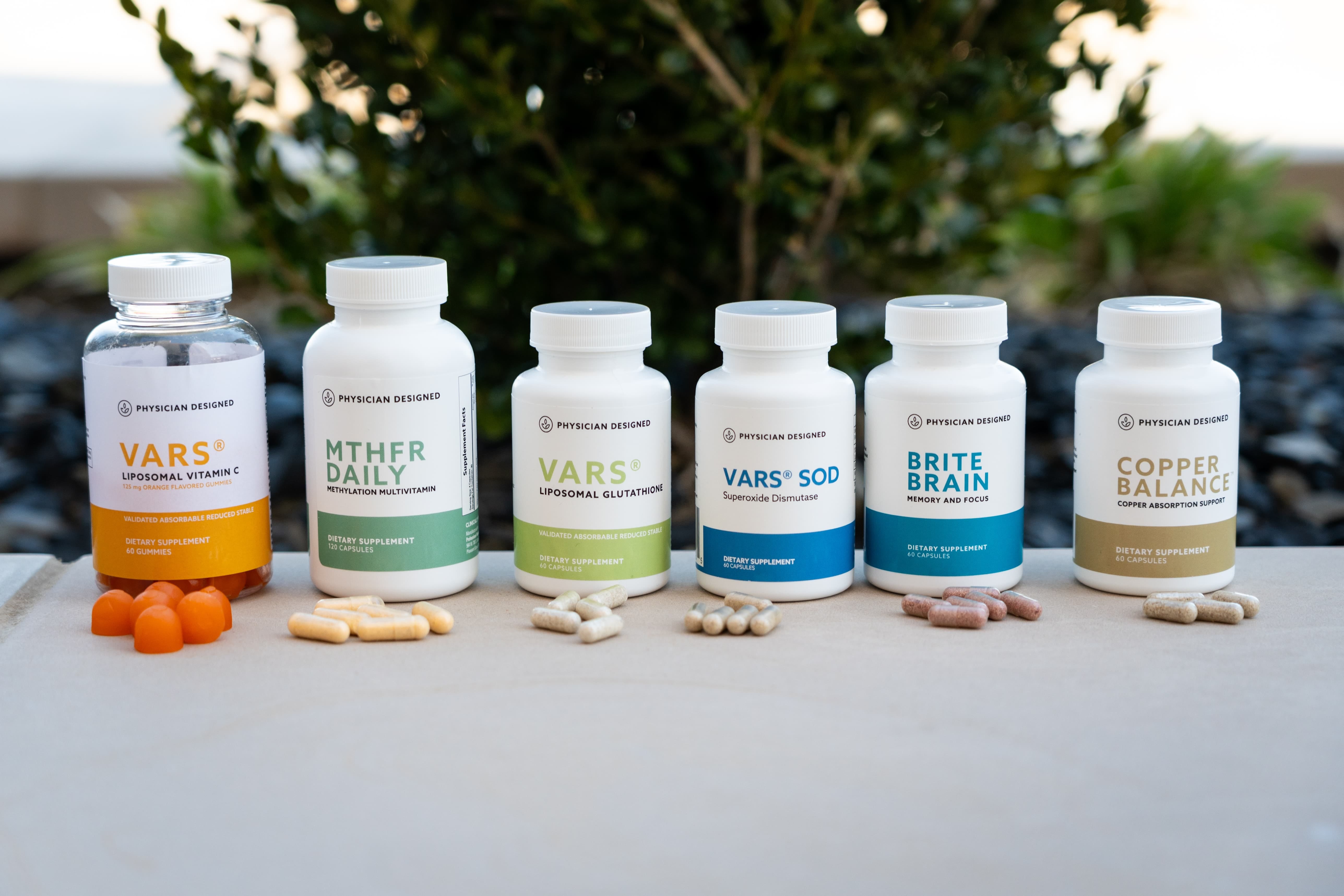
Copper Balance Formula: Our proprietary blend—with chelated molybdenum, Boron, B6, zinc, and cofactors—to optimize ceruloplasmin and metallothionein function (patented improvement based on our research).
VARS Liposomal Glutathione: Enhanced stability and absorption ensure robust intracellular glutathione levels, facilitating detox and cofactor recycling.
Additional Nutrients: Hydroxy-B12, magnesium, and personalized B-vitamin complexes based on individual testing.
4. Lifestyle Integration
Movement: Regular, moderate exercise (strength training, walking, yoga) prevents copper sedimentation in trigger points and supports lymphatic flow—reported by patients like Debbie to dramatically reduce stiffness and pain.
Stress Management: Cortisol spikes can exacerbate copper dysregulation; mindfulness, biofeedback, and targeted breathing exercises help maintain hormonal balance.
Community Support: We encourage joining the Fibromyalgia with Natural Options Facebook group for peer guidance and shared recipes aligned with the low copper diet.
A Real-Life Success Story: Debbie’s Journey
Debbie Pool struggled for years with severe neck and back pain, muscle spasms, and migraines—culminating in neck surgery by age 40. Traditional doctors offered only medications and more invasive interventions. After discovering our approach in fall 2019, Debbie:
Adopted a full low copper diet; noticed symptom improvement within 2–3 days.
By March 2020, muscle spasms dropped from daily occurrences to nearly zero.
Over five years, she’s maintained training with no fibro-related pain, lost over 50 lbs, and regained vitality—now thriving as an active grandmother.
Her story exemplifies how addressing root causes, rather than masking symptoms, can transform lives.
Getting Started: Your Next Steps
Schedule a Consultation with Dan Purser MD to review genetic and intracellular test results.
Access Our Low Copper Diet Guide via the End Fibromyalgia with Natural Options Facebook page.
Begin Targeted Supplementation under professional guidance, monitoring progress with follow-up intracellular assays.
Join Our Support Community for recipes, tips, and shared experiences.
Fibromyalgia may not be “curable” in the traditional sense, but by restoring proper copper utilization and replenishing key intracellular nutrients, we can achieve significant, sustainable relief. At Purser Wellness, you’re never alone—we’ll support you at every step toward reclaiming your health and vitality.
Have questions or ready to take control of your fibromyalgia? Contact us today and start your journey to better living under the expert care of Dan Purser MD.
 | A guest post by
|