


For too long, autism spectrum challenges have been approached primarily through symptom management and behavioral therapies. While these have value, they often leave the underlying biochemical drivers unaddressed. In our recent video Autism Answered: Root Cause Solved, we share what we have observed consistently across years of clinical practice. Many cases on the spectrum share a common, addressable root cause tied to genetics, impaired detoxification, chronic inflammation, and oxidative stress.
The Core Problem: A Broken Detox Pathway
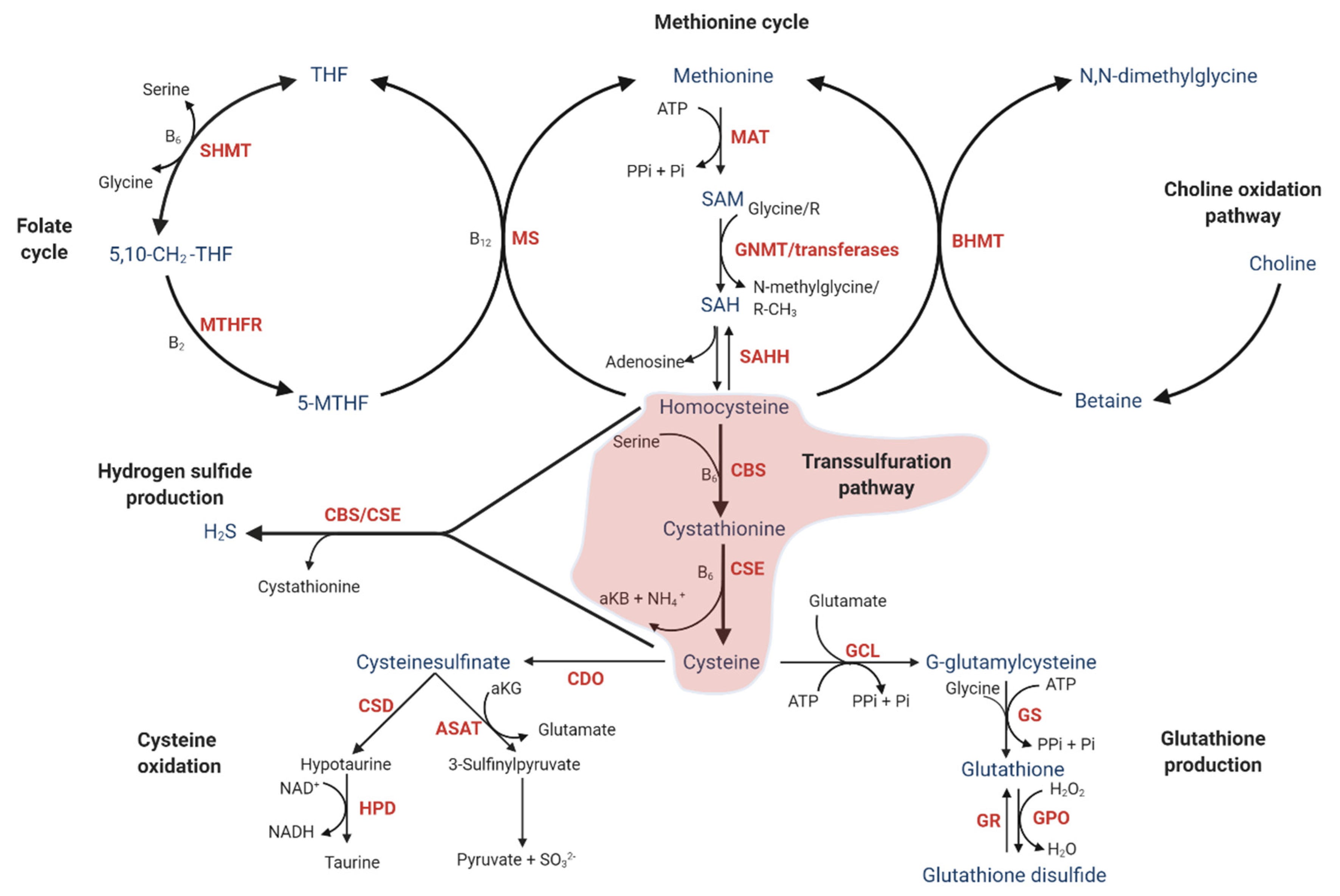
We see that in many children with autism traits, genetic variants, particularly MTHFR and related SNPs (patterns involving around 17 SNPs), disrupt the transsulfuration pathway.
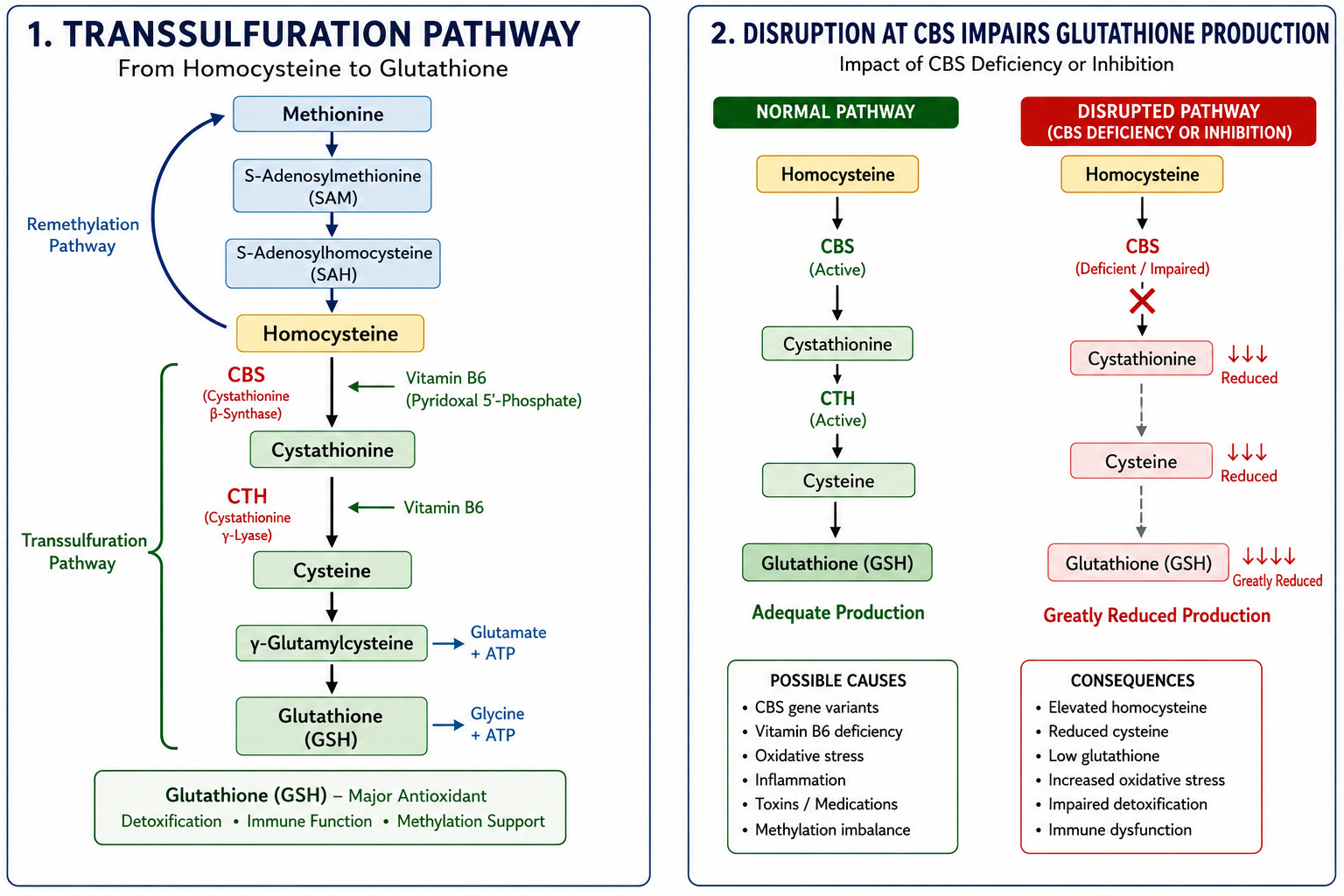
This pathway is critical. It converts homocysteine into glutathione, the body’s master antioxidant and primary detoxifier. When the pathway is impaired:
Homocysteine builds up instead of being efficiently cleared.
Glutathione production drops.
The body struggles to neutralize and excrete heavy metals, environmental toxins, and inflammatory byproducts.
Chronic low-grade inflammation and oxidative stress increase, affecting brain development, mitochondrial function, and overall regulation.
The result is that developmental challenges, sensory issues, behavioral difficulties, and other autism spectrum traits can emerge or intensify, especially when combined with environmental triggers in genetically susceptible children.
This is not about blaming genetics in a fatalistic way. It is about identifying a biochemical bottleneck that can be measured and supported.
Why Glutathione and Methylation Matter So Much
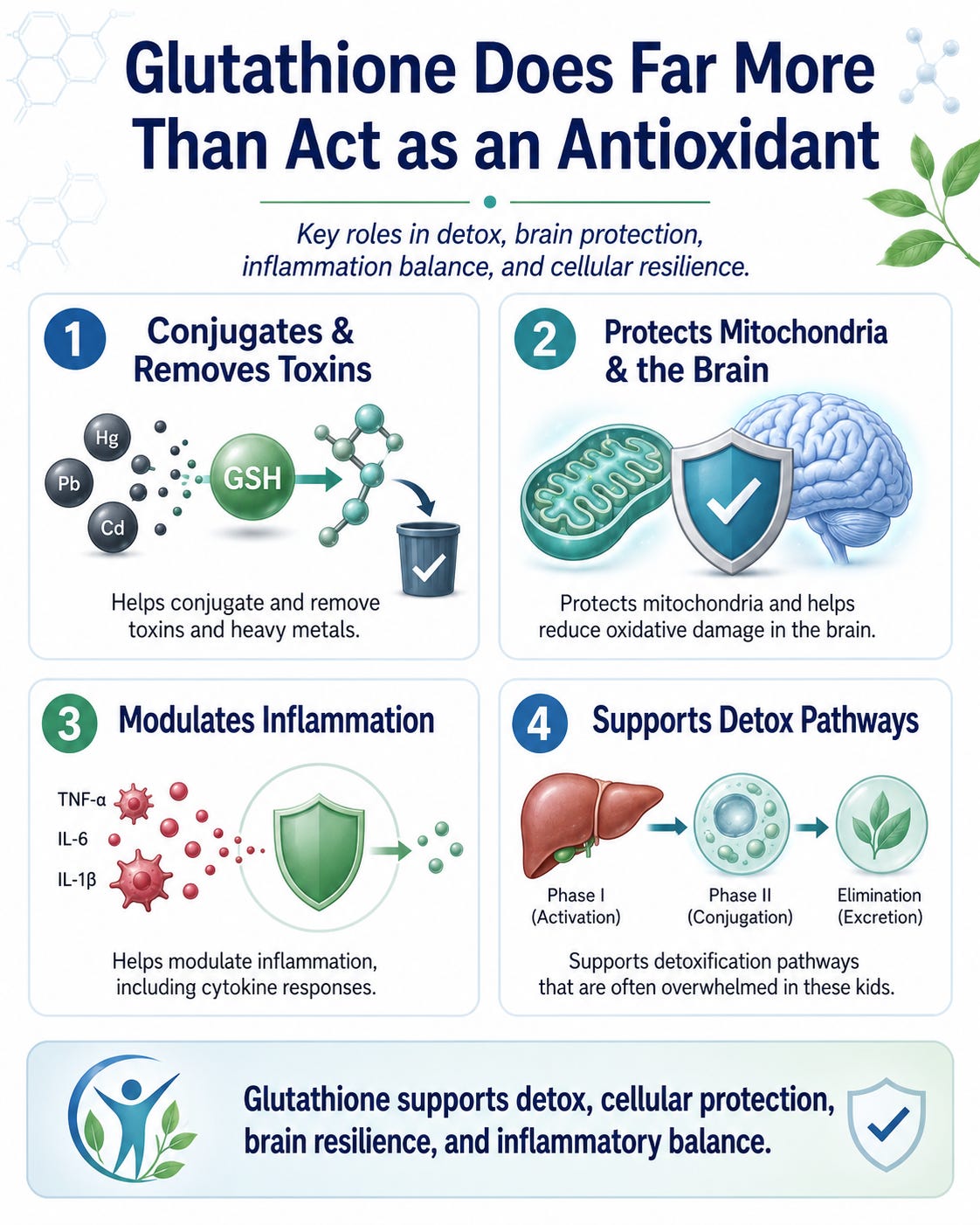
Glutathione does far more than act as an antioxidant. It:
Conjugates and removes toxins and heavy metals.
Protects mitochondria and reduces oxidative damage in the brain.
Modulates inflammation, including cytokine responses.
Supports detoxification pathways that are often overwhelmed in these kids.
When methylation (closely linked via the folate cycle and MTHFR) and transsulfuration are both compromised, the system cannot keep up. Restoring balance in these interconnected cycles is a central focus of our approach.
The Purser Method for Autism: Testing First, Then Targeted Support
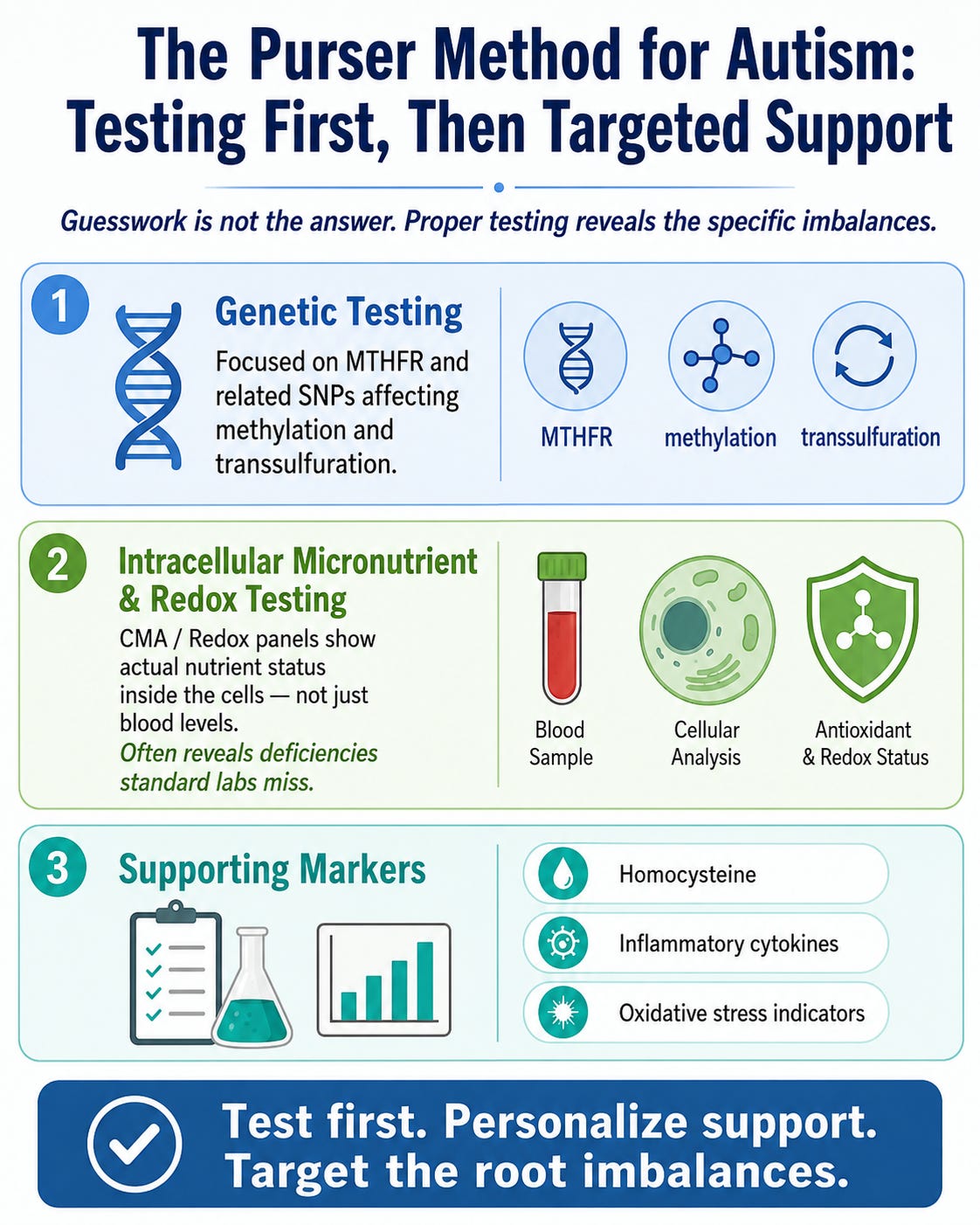
We emphasize that guesswork is not the answer. Proper testing reveals the specific imbalances:
Genetic testing focused on MTHFR and related SNPs affecting methylation and transsulfuration.
Intracellular micronutrient and redox testing (such as CMA/Redox panels) that shows actual nutrient status inside the cells, not just blood levels. This often reveals deficiencies that standard labs miss.
Supporting markers including homocysteine, inflammatory cytokines, and oxidative stress indicators.
Once the picture is clear, interventions target the root issues rather than just masking symptoms.
Key protocol pillars in our framework include:
Restoring Methylation Support Targeted nutrients to bypass or support compromised MTHFR function and improve homocysteine recycling. This sets the stage for better transsulfuration.
Rebuilding Glutathione Function Direct and precursor support for glutathione production and recycling. Formulations like VARS Glutathione are frequently used as part of addressing the detox deficit.
Reducing Inflammation and Oxidative Stress Strategies to lower the inflammatory burden, including cytokine-driven responses, while supporting the body’s natural antioxidant defenses such as VARS SOD support.
Detoxification Support Gentle, phased approaches to help clear accumulated toxins once the glutathione system has foundational support. This must be done carefully and under guidance.
Personalized Nutrient Optimization Addressing intracellular deficiencies revealed by testing. This often includes balancing key minerals such as copper and zinc dynamics along with other cofactors.
In related discussions from our team, folinic acid (leucovorin) is sometimes explored as an adjunct for supporting folate metabolism and methylation in certain children. It is presented as one piece of a larger puzzle rather than a standalone solution.
Why This Approach Feels Different
Conventional care often focuses on diagnosis and behavioral intervention. Our method asks what is driving the inflammation and developmental disruption at the cellular level.
By identifying genetic vulnerabilities and measurable biochemical imbalances early, families can implement targeted nutritional and supplemental strategies alongside therapies. Many parents report improvements in areas such as focus, sensory processing, digestion, sleep, and overall regulation when the underlying detox and inflammation issues are addressed.
At Purser Wellness, we work together to translate these complex protocols into practical steps for families. This includes understanding test results, implementing daily support routines, and creating educational content that empowers parents.
Important Considerations
This is not a cure-all or a guarantee. Autism is heterogeneous. What helps one child may need significant customization for another. Environmental factors, gut health, immune function, and other variables also play roles.
Always work with qualified practitioners. Self-supplementing, especially with high-dose or targeted compounds, can be counterproductive without proper testing and monitoring. Protocols should be individualized.
Early intervention tends to yield better outcomes, but support is possible at any age.
Next Steps If This Resonates
Watch our full video Autism Answered: Root Cause Solved for the direct explanation.
Consider comprehensive testing (genetic and intracellular) through a provider experienced in the Purser Method.
Reach out to Purser Wellness for guidance on interpreting results and building a personalized plan. Our team focuses on education and practical implementation. Call or email 801-796-7667 or info@danpursermd.com.
Parents deserve more than labels and symptom management. They deserve clear explanations of what is happening biochemically and actionable steps to support their child’s unique biology.
The root cause has been identified in many cases. Now we focus on solutions.
Disclaimer: This content is for educational purposes only and is not medical advice. It is based on clinical observations and the Purser Method. Always consult your child’s healthcare providers before starting any new testing or supplementation protocol. Individual results vary.